KIKompAg – e-Learning curriculum
AI-Driven Agroecosystem Analysis
Objectives
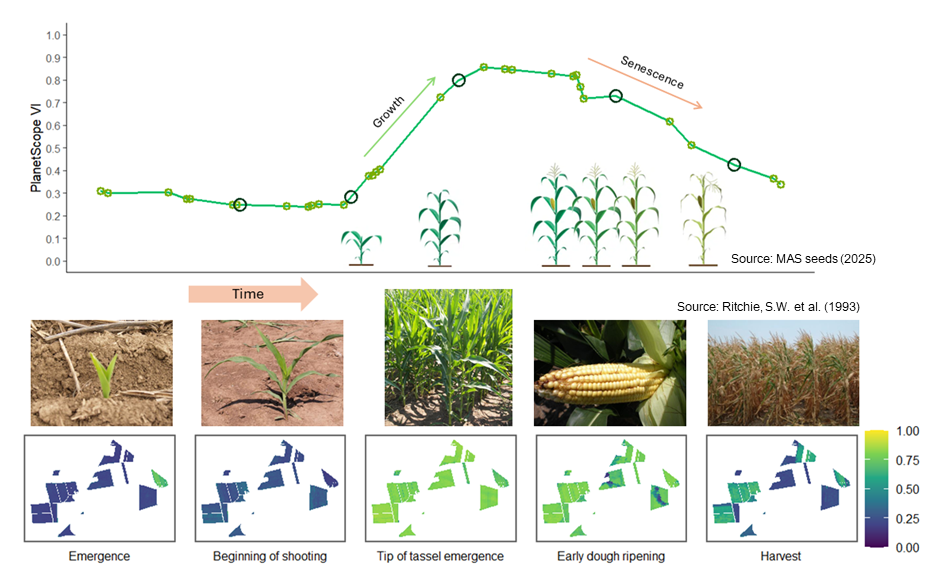
This e-Learning platform is designed to develop advanced skills in agroecosystem spatio-temporal data analysis: data fusion, mechanistic modelling, and AI applications. The content includes an overview of remote sensing (RS) concepts, AI models, and relevant case studies that demonstrate practical integration.
Learning activities consist of interactive lectures and hands-on coding workshops aimed at reinforcing theoretical knowledge through application. Assessments are conducted via quizzes and questions to evaluate the knowledge and learning progress. You can access to analysis-ready datasets, Python libraries, and key research papers as references.
Topics
Lesson 1: Fusion of Remote Sensing Data for Characterization of Agroecosystems
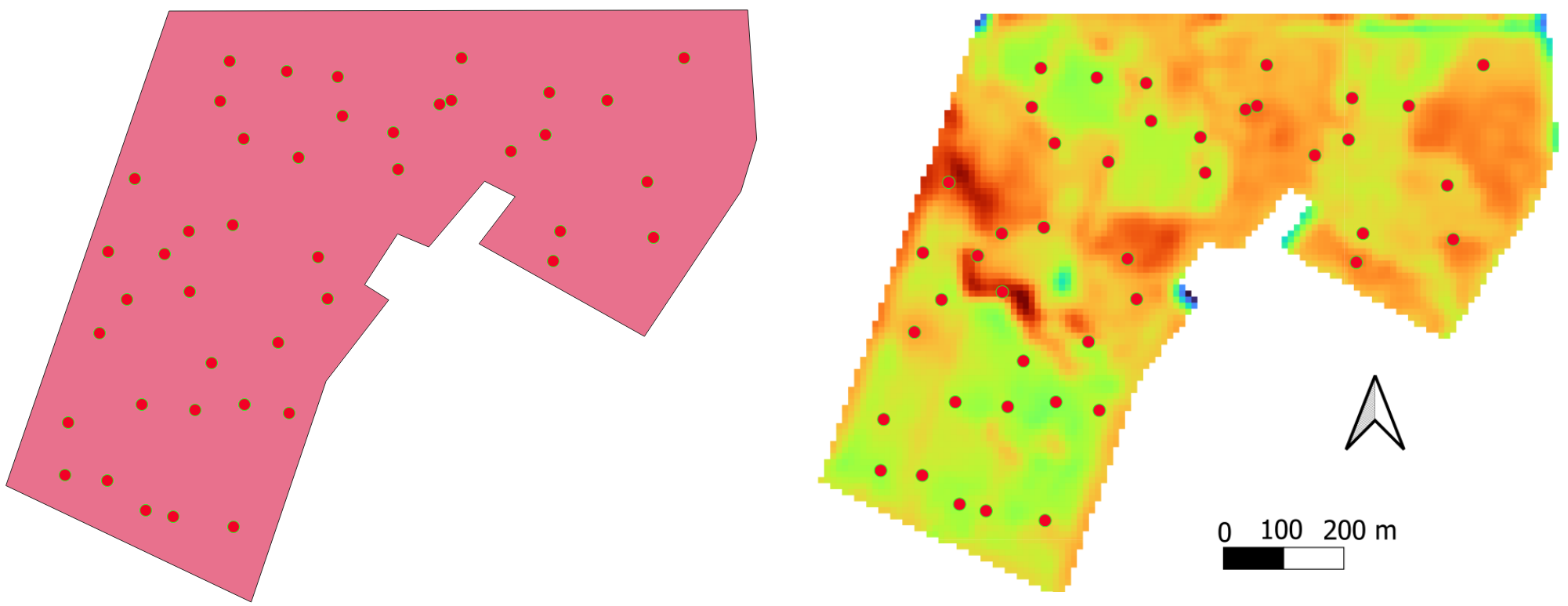
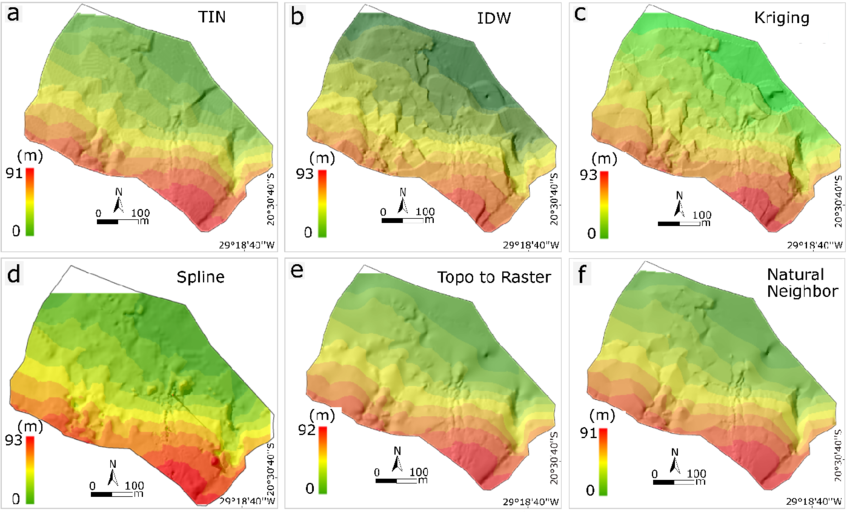
Lesson 2: Digital Soil Mapping Procedure for Precision Agriculture Implementation Assisted by Mechanistic Model
Lesson 3: Spatially advised Machine Learning models to fill spatiotemporal data gaps in hydrological monitoring networks
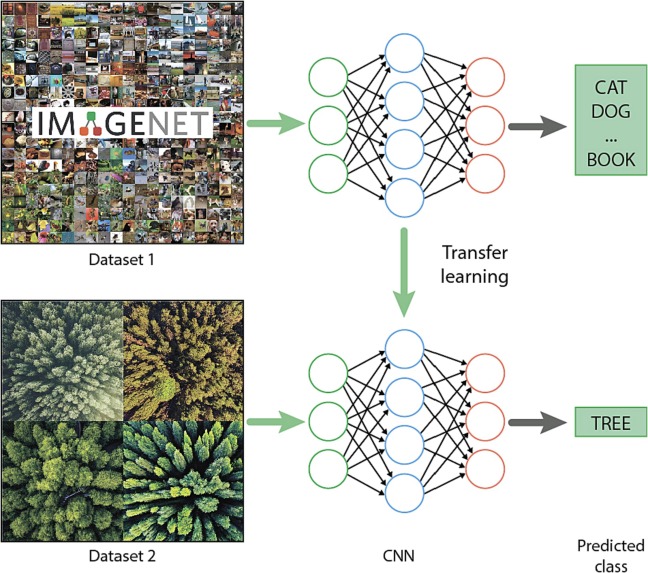
Lesson 4: Deep Learning for Agricultural Remote Sensing under Small Data Constraints (DL4Agro)
Background
KIKompAg project addresses important challenges in agricultural research, such as monitoring agroecosystems at different scales, by integrating artificial intelligence (AI) and remote sensing (RS) into the current agricultural toolbox. In the field of agriculture, advanced AI methods are currently hardly used on a large scale beyond individual agricultural plots, but the potential for their exploitation is high. The main objective of KIKompAg is to develop a coherent approach for integrating multimodal data, AI and simulation methods to characterize agricultural systems across scales and, building on this, to create a comprehensive curriculum covering multiple aspects of agroecosystem analysis using data from multiple sources. The framework combines state-of-the-art remote and close sensing products with various deep learning and mechanistic models, as well as diverse surface and subsurface reference datasets for both cropland and grassland. We are broadly sharing our knowledge and experience with early career researchers by building the first freely available online learning platform where anyone can systematically learn how to integrate multimodal data, AI and simulation for agricultural applications.
Background
KIKompAg project addresses important challenges in agricultural research, such as monitoring agroecosystems at different scales, by integrating artificial intelligence (AI) and remote sensing (RS) into the current agricultural toolbox. In the field of agriculture, advanced AI methods are currently hardly used on a large scale beyond individual agricultural plots, but the potential for their exploitation is high. The main objective of KIKompAg is to develop a coherent approach for integrating multimodal data, AI and simulation methods to characterize agricultural systems across scales and, building on this, to create a comprehensive curriculum covering multiple aspects of agroecosystem analysis using data from multiple sources. The framework combines state-of-the-art remote and close sensing products with various deep learning and mechanistic models, as well as diverse surface and subsurface reference datasets for both cropland and grassland. We are broadly sharing our knowledge and experience with early career researchers by building the first freely available online learning platform where anyone can systematically learn how to integrate multimodal data, AI and simulation for agricultural applications.
Team at ZALF









Acknowledgment